
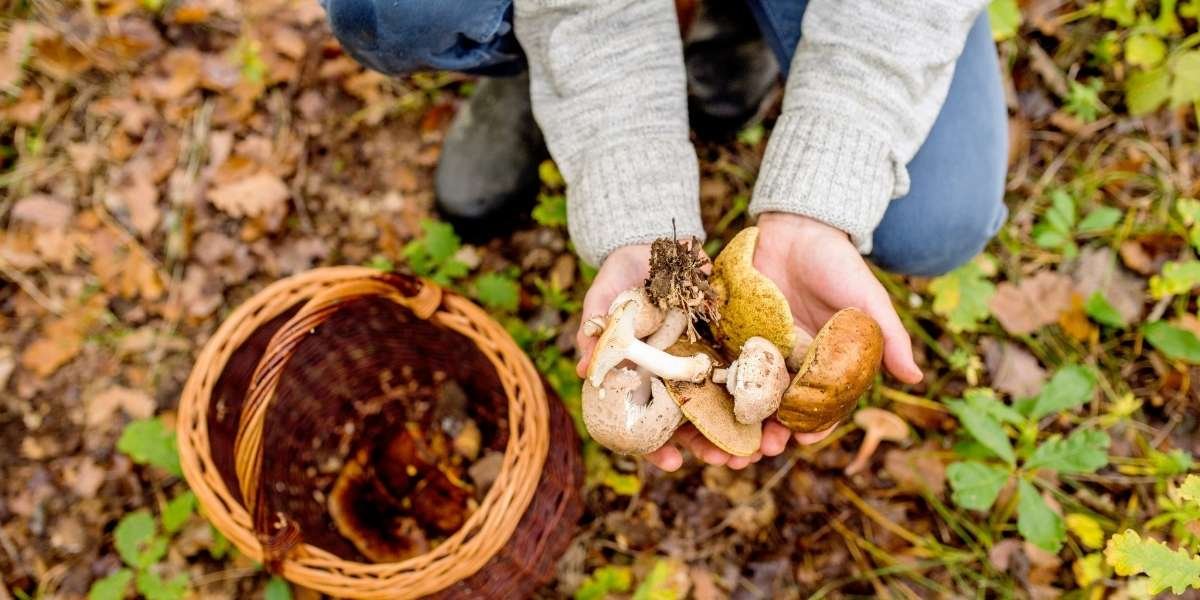
California health agencies have issued public advisories encouraging residents to exercise caution around wild mushrooms, particularly those collected through recreational foraging. The advisories follow reports submitted by hospitals and healthcare providers involving individuals who became ill after consuming mushrooms gathered outdoors.
Officials indicated that mushroom-related illnesses are reported in the state each year, though recent activity has prompted additional review due to the number of cases requiring medical evaluation. Health departments across multiple counties have been working with emergency rooms, poison control centers, and medical professionals to assess available information and identify trends.
Authorities emphasized that the advisories are intended as a precautionary measure while data collection continues. Public messaging has focused on awareness and prevention rather than enforcement, with agencies encouraging residents to remain cautious during periods of increased mushroom growth.
California Toxic Mushrooms Associated With Death Cap Findings
Health officials have reported that some of the cases under review involved Amanita phalloides, commonly referred to as the death cap mushroom. This species is known to contain amatoxins, substances that may affect liver function when ingested.
Death cap mushrooms are known to grow in a variety of environments, including wooded areas, parks, and residential neighborhoods. Officials noted that these mushrooms can resemble edible varieties, particularly to individuals without specialized training, which may increase the likelihood of unintentional ingestion.
Public health guidance has consistently stated that common preparation methods such as cooking, freezing, or drying do not appear to change the effects of the toxins present. Authorities have cautioned that visual identification, traditional foraging practices, or informal testing methods may not reliably indicate whether a mushroom is safe to consume.
California Toxic Mushrooms Poisoning Reports Remain Under Review
Information released by state health officials in early January 2026 indicated that more than 30 individuals had received medical care for mushroom-related illnesses since mid-November of the previous year. Some of those individuals required hospitalization, including intensive monitoring.
At that time, officials confirmed several fatalities and a limited number of liver transplants associated with reported cases. Subsequent updates issued in early February 2026 cited more than three dozen cases statewide. Health officials cautioned that reported totals may shift as additional reports are reviewed and investigations are finalized.
Patients ranged in age from young children to older adults. Officials noted that this range reflects how exposure can occur in different settings, including shared meals, outdoor activities, and family gatherings where foraged mushrooms may be prepared and consumed.
California Toxic Mushrooms Lead to Increased Hospital Monitoring
Hospitals across California have reported admissions involving liver-related complications following mushroom ingestion. In some instances, patients initially experienced symptoms that appeared mild before progressing over several days, leading to further medical evaluation.
Medical professionals have described early symptoms that may include nausea, vomiting, abdominal discomfort, and fatigue. In certain situations, patients required extended hospitalization and specialized care based on clinical findings.
Healthcare providers continue to coordinate with public health agencies through established reporting systems. Officials have emphasized the importance of medical assessment when symptoms develop after mushroom consumption, noting that early evaluation may assist healthcare teams in managing patient care.
California Toxic Mushrooms Growth Linked to Seasonal Conditions
Environmental specialists have pointed to seasonal weather patterns as a possible factor contributing to increased mushroom growth during the current season. Periods of rainfall followed by mild temperatures are commonly associated with fungal development across various regions of the state.
Officials noted that toxic and non-toxic mushrooms often grow in similar environments, which may complicate identification during foraging activities. These conditions can occur in both natural landscapes and developed areas, including residential neighborhoods.
Health agencies indicated that similar seasonal patterns may appear in future years, underscoring the importance of public awareness during peak growth periods. Monitoring of environmental conditions remains part of broader public health surveillance efforts.
California Toxic Mushrooms Advisory Continues as Reviews Ongoing
State health agencies continue to advise residents to avoid consuming wild mushrooms unless they are obtained through commercial sources. Officials noted that individuals with foraging experience may still encounter difficulty distinguishing toxic mushrooms from edible ones.
The advisory remains in effect as health departments continue reviewing case data and coordinating with healthcare providers. Public messaging has emphasized caution during periods of increased mushroom growth and encourages individuals to seek medical attention if symptoms develop after mushroom consumption.
Officials indicated that additional updates may be provided as more information becomes available through ongoing reviews and reporting processes.
Disclaimer:
This article does not provide medical, legal, or safety advice. Public health information referenced reflects reporting available at the time of publication and may change as additional details emerge. Readers are encouraged to consult qualified professionals or local health authorities for guidance related to personal health or safety concerns.